Safety
Safety comes first. Tips, resources, and support to stay safe on the road and during the deliveries.
Safety Equipment Recommendations
Having the right equipment can make your deliveries safer and more comfortable. Preparing properly helps you stay focused on the road and ready for changing conditions.
Here are a few items we recommend:
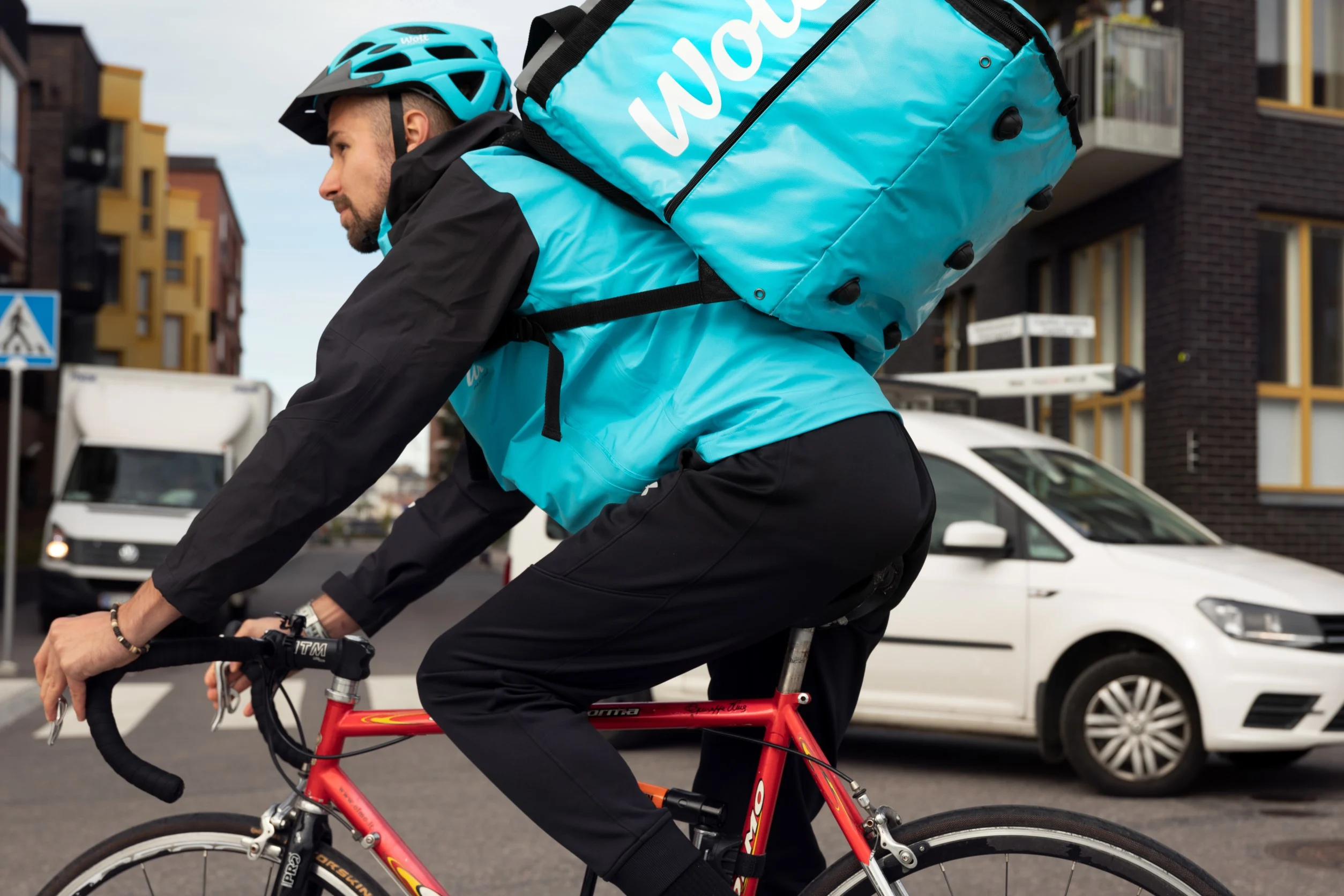
⛑️ Helmet – If you’re cycling or riding a scooter, wearing a certified helmet is strongly recommended. It’s a simple step that can significantly reduce the risk of injury.
⚙️ Reflective Clothing & Gear – Staying visible is especially important during early mornings, evenings, and winter months. Reflective vests, jacket strips, or bag covers can help others see you more clearly.
🌧️ Weather-Appropriate Clothing – Waterproof jackets, gloves, and non-slip footwear can help you stay dry and steady in rain or snow. Layered clothing is also helpful during colder months.
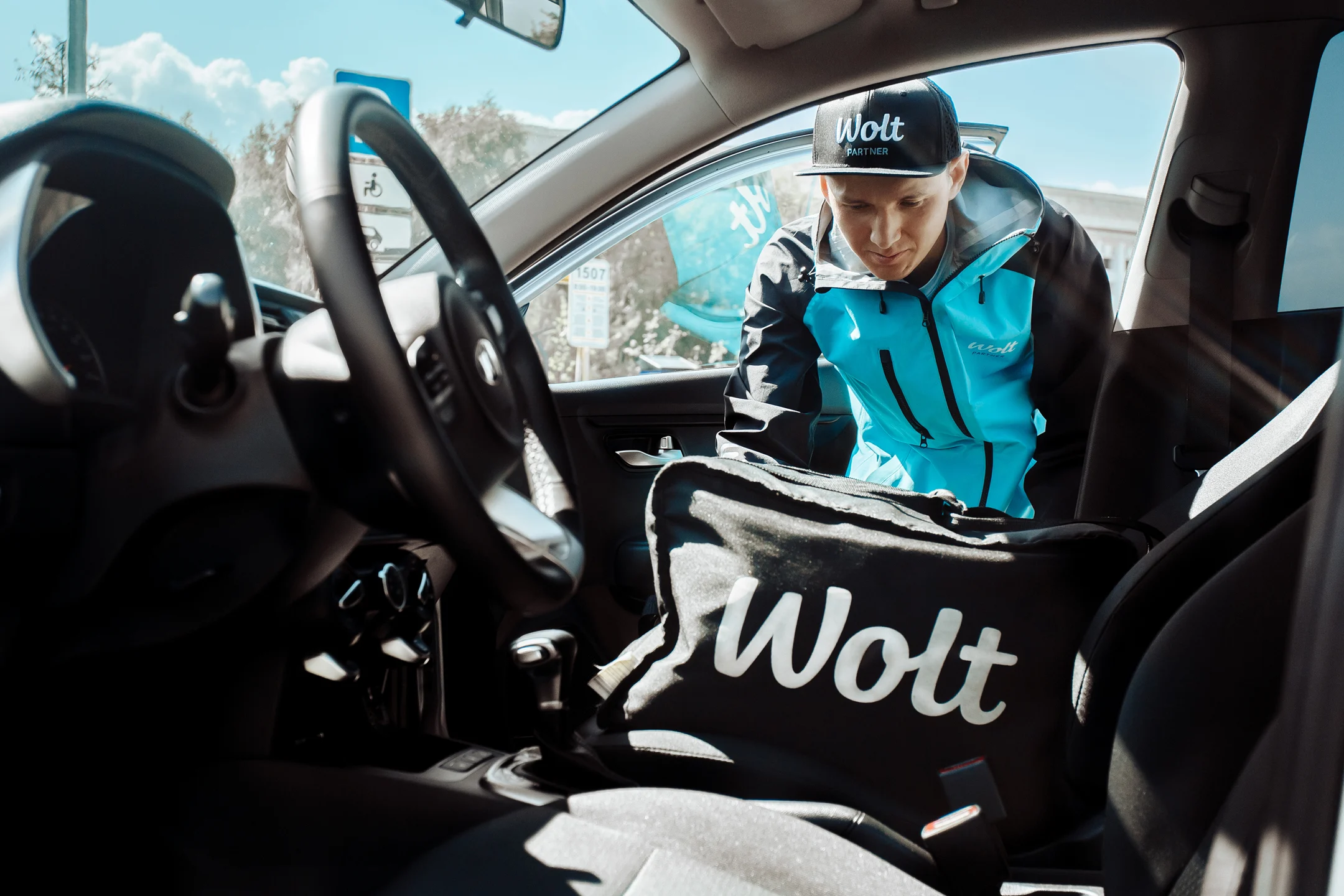
📱 Phone Mount – A secure mount allows you to follow navigation safely without taking your hands off the handlebars or steering wheel.
🔋 Power Bank – Keeping your phone charged ensures you remain connected to navigation and support throughout your time online.
🚦 Lights – Front and rear lights for bikes or scooters are important, not only to see the road ahead, but also to make sure you’re visible to others.
🔐 Lock – A sturdy bike or scooter lock can help keep your equipment secure while you’re picking up or delivering orders.
No Contact Delivery
Here’s a quick reminder of how to handle no contact deliveries to ensure a smooth, safe, and professional experience for everyone involved:
Recommended steps:
Leave the order at the customer’s door or in the location specified in the app.
Ring the doorbell or knock, then step back a few metres to give the customer space.
Wait for the customer to collect the order. If there’s no response, try calling them.
Once the customer arrives, confirm their name to ensure it matches the order.
Mark the order as delivered only after the customer has physically collected it.
If the customer does not respond or you encounter any issues, please contact Support for further assistance.
📦 As more high-value orders are being delivered, including retail and specialty items, it’s especially important to ensure that each order reaches the right person.

How to Handle Incidents Outside Your Control
Sometimes things happen on the road that you simply can’t predict or prevent - traffic accidents, sudden road closures, unexpected delays at venues, or issues with your vehicle. When something outside your control affects a delivery, here’s what to do:
1. Put safety first If you’re in or near an incident, stay safe and move to a secure area before taking any further steps.
2. Report the issue right away Open the Wolt Courier Partner app and contact Support as soon as possible. The sooner we know what’s happening, the faster we can help.
3. Share clear details Briefly explain what happened and how it’s affecting your delivery. No need for long descriptions - just the key facts.
4. We are here for you Our team will assist you with the next steps, whether that means rerouting, canceling the task, or providing further instructions.
5. Delays beyond your control Delays caused by circumstances outside your control will not lead to penalties when properly reported.

Delivering in Bad Weather
We understand that many courier partners choose to go online during bad weather, often due to increased demand. We truly appreciate your commitment. At the same time, your safety should always be the top priority.
Rain, snow, ice, strong wind, and fog can significantly increase the risk of accidents and make road conditions more challenging. If you decide to deliver in these conditions, please take extra care, allow more time for each delivery, and adjust your riding or driving to the situation.
Your well-being always comes first.
Food Safety Recommendations
Courier Partner Service Agreement
In order to ensure compliance with applicable food safety laws and regulations and to maintain the quality of the delivered goods, the Delivery Services shall be performed in accordance with these guidelines:
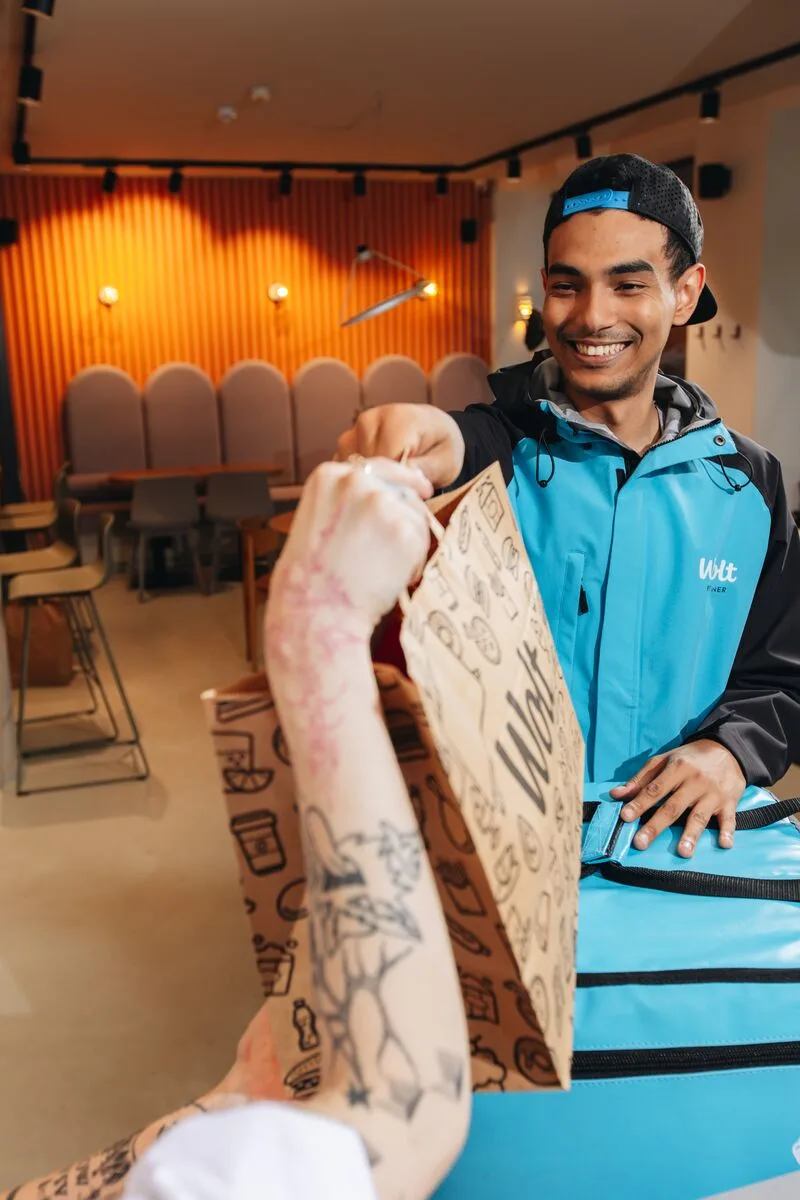
Food deliveries shall always be made by using an appropriate thermo-insulated bag, equipped with a separate inner container.
Restaurants/grocery stores shall hand over for delivery only ready-prepared and well-packaged meals or food items, which shall be delivered to the User without undue delay to maintain food safety.
Food that has been in delivery for more than 1 hour may not be handed over to the User.
Food deliveries from the restaurants are packaged in such a way that Courier Partners do not come into direct contact with the food. The Courier Partner places the food immediately in a refrigerated or thermal bag, depending on the temperature and quality of the goods being transported.
Food is handed over in bags intended for transportation. The goods must be handed over to the User directly from the refrigerated or thermal bag, depending on the temperature and quality of the goods being transported to maintain the best possible quality of food. Products cannot be taken out of the bag during delivery.
The Courier Partner will ensure during the delivery that the quality of the goods is maintained. If any significant changes in the quality of the goods occur or the Courier Partner has reason to believe that the temperature of the order has been compromised during delivery, the Courier Partner shall notify Wolt support about it immediately.
The products will be delivered in a manner in which no foreign smell, taste or other harmful properties affects the quality of the product or gets involved in any way with the product.
If the Courier Partner suffers from generally contagious illnesses (such as the flu), the Courier Partner shall refrain from performing the Delivery Services.
Road Safety Recommendations
The road traffic rules in each country are binding for all road users, including couriers. Understanding and following them is essential for your safety and for avoiding fines or other consequences. Always make sure you are aware of your local regulations.
Allowed speed and legal requirements (general guidelines – may vary by country):
Bikes, e-bikes, e-scooters, light micro-mobility vehicles (up to ~1kW): typically up to 20–25 km/h on bike lanes or paths. Wearing a helmet is highly recommended.
Mopeds, e-mopeds, stronger e-scooters (1–4kW): usually allowed from 25–45 km/h. A helmet and valid driver’s license are required, and you must use the street lanes (not bike or pedestrian paths).
Cars: typically up to 50 km/h in urban areas, unless otherwise indicated by local signs.
Traffic signs and signals:
Red lights mean full stop – wait until the light turns green.
Right turns on red are only allowed if local laws permit and you yield to other traffic and pedestrians.
Stop signs mean a complete stop – check both directions and proceed only when safe.
Right of way (examples common across countries):
Yield to traffic already in a roundabout.
At uncontrolled intersections, vehicles approaching from the right often have priority (the "right-hand rule" in many countries).
Always yield to pedestrians at marked (and in some countries also unmarked) crosswalks.
For bicycles and scooters:
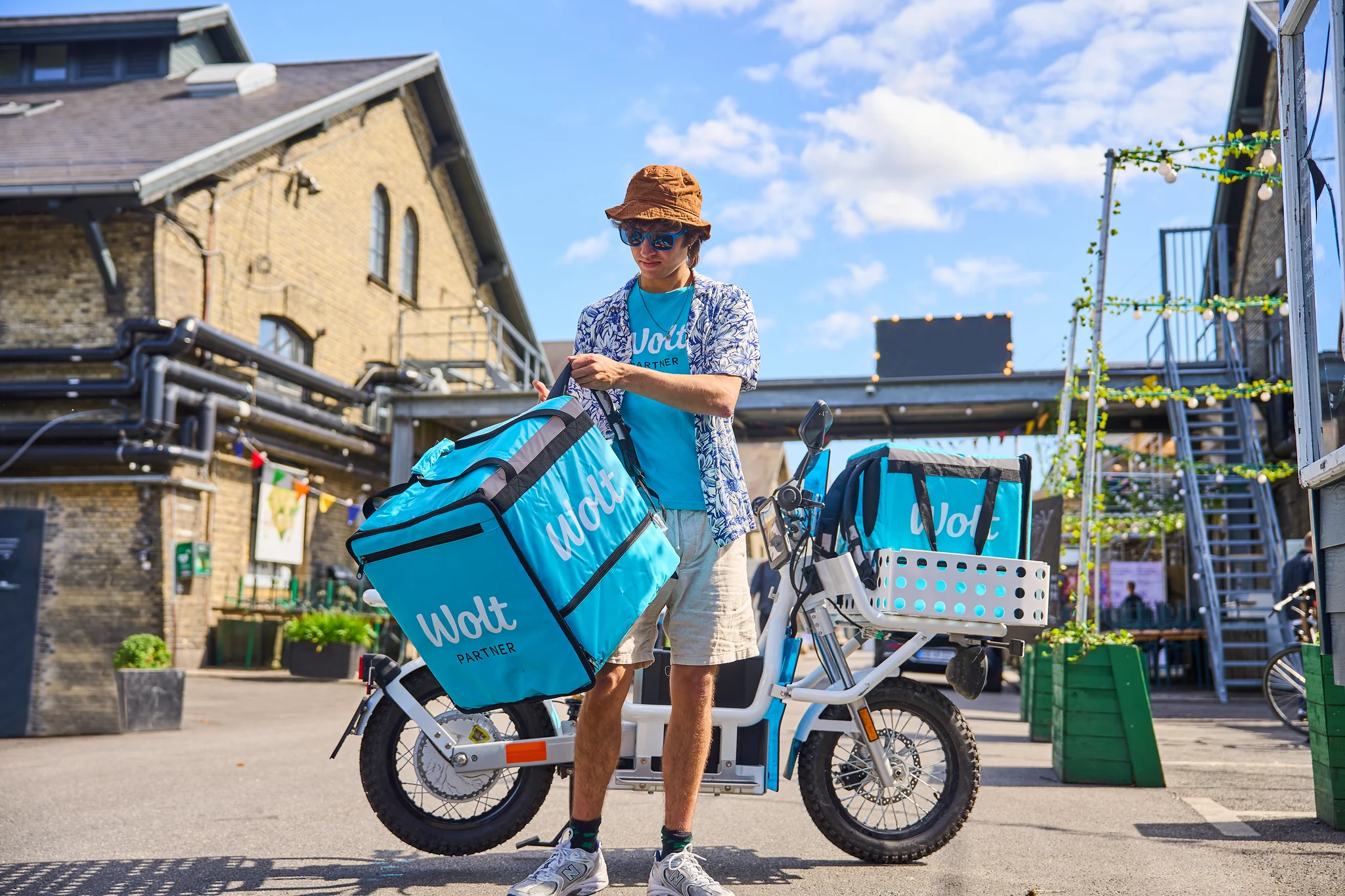
Use designated bike lanes or paths where available. If none exist, ride on the right side of the road in the direction of traffic.
At pedestrian crossings, you may need to dismount and cross on foot (check your country’s rule).
Sidewalk riding is only allowed if permitted locally and if it’s safe for pedestrians.
Helmets are often mandatory for under-18s and recommended for everyone.
For cars and mopeds:
Always respect posted speed limits.
Never stop or park in bike lanes.
Be extra careful in delivery zones and pedestrian-heavy areas.
Maintain safe passing distances: in many countries this means at least 1 meter at low speeds, and 1.5 meters at higher speeds.
Defensive riding and driving mean staying alert, anticipating risks, and being prepared for the unexpected. Whether you’re on a bike, scooter, moped, or car, these principles help keep you and others safe:
Scan the road ahead: Look out for cars, pedestrians, cyclists, and obstacles at all times.
Keep a safe distance: Maintain enough space between you and other vehicles, especially in traffic or at higher speeds.
Slow down at risky points: Reduce speed at intersections, driveways, pedestrian crossings, and blind corners.
Signal your intentions: Use hand signals when turning or changing lanes if your vehicle does not have turn indicators.
Stay out of blind spots: Make sure other drivers can see you, especially larger vehicles.
Adjust for weather conditions: In rain, snow, or fog, ride more slowly, increase braking distance, and always use lights and reflective gear.
Avoid distractions: Never text or browse while moving. Stop safely if you need to check the app.
Use proper equipment: A phone mount allows safe navigation without taking your hands off the handlebars.
Stay focused: Avoid using headphones or anything that reduces your ability to hear and react to traffic.
If You Are Involved in or Witness an Accident
Ensure your own safety first. Move yourself and your vehicle out of traffic if possible.
Call local emergency services (e.g., 112 in most European countries) if there are injuries or significant damage.
Report the incident through the Wolt courier app under Support so our team can assist you.
Provide clear details – describe what happened, include time and location, and attach photos or video if possible.
Wolt will follow up to support you and, if needed, investigate further.
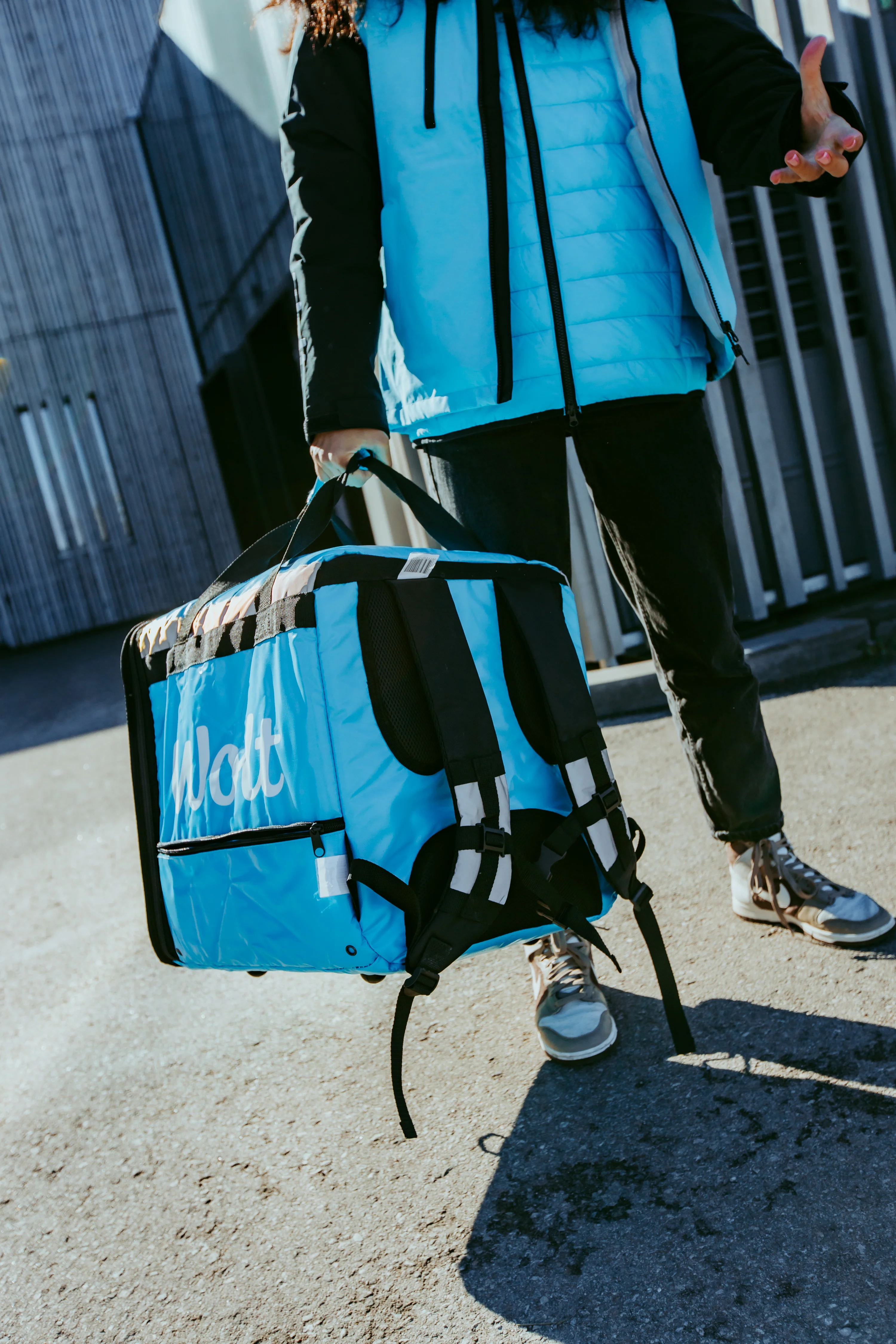
Using proper safety gear can save lives. Here’s what every courier should use: • Helmet – For your safety, we recommend you always wear one, even for short trips. • Reflective vest or jacket – Especially important when riding at night or in low-visibility weather. • Gloves – Protect your hands and improve grip. • Lights – White front light and red rear light are required by law when dark. • Bell or horn – Essential to alert pedestrians or other road users. • Regularly check your vehicle – brakes, tires, and lights must be in good condition.