How to improve your restaurant's delivery experience with a customized delivery solution
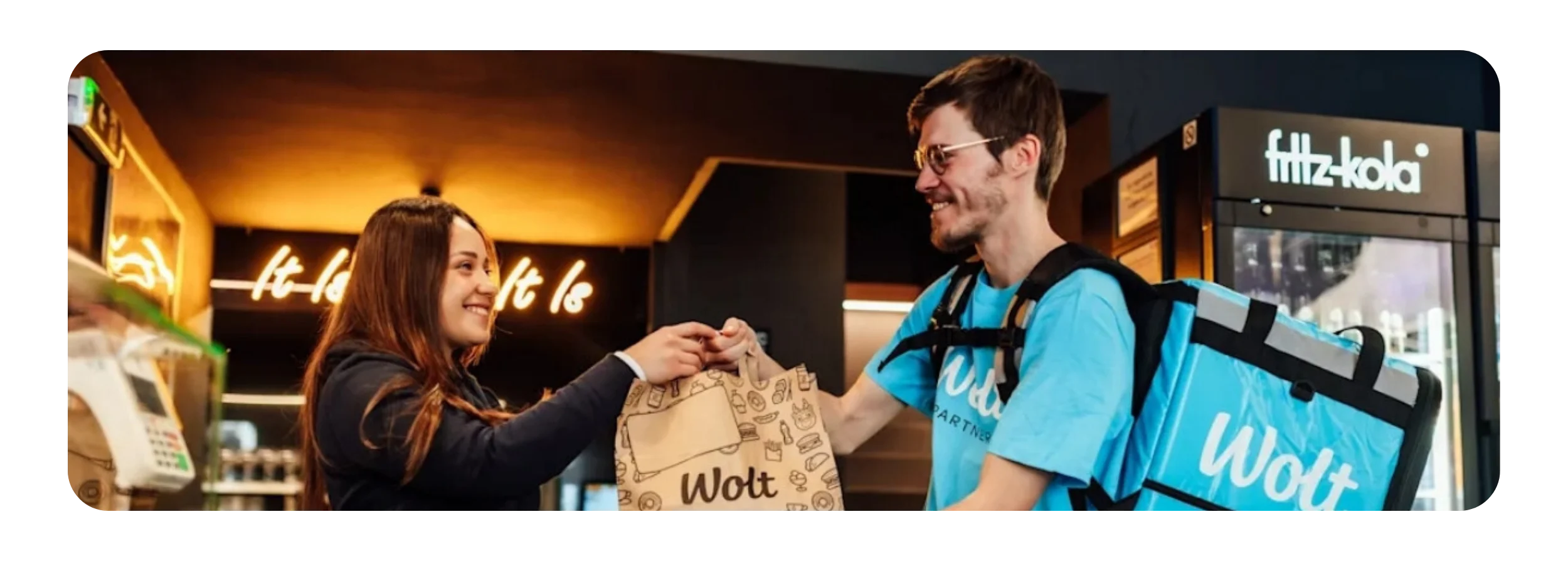
When customers order delivery, they’re looking for three things: fair pricing, reliable timing, and clear updates. If any of those don't meet expectations, they usually blame the restaurant, not the courier.
That’s why delivery isn’t “just logistics.” It’s part of your guest experience and part of your brand, even though you’re not there to see it happen.
The good news is you can influence it more than you might think. This guide breaks down what customers expect, how to choose the right delivery model (or mix of models), and which practical changes tend to improve the delivery experience the fastest.
What do customers actually look for in a delivery experience?
Research consistently shows that cost, speed, and visibility matter most, roughly in that order. Sustainability matters more each year, but for most customers, it’s still secondary to getting the order on time and knowing where it is.
The upside: restaurants can influence two of these three. You can’t always control delivery fees, but you can reduce delays and avoid uncertainty with realistic prep times, strong handoff routines, and clear order status updates.
On the Wolt App, customers see live tracking from the moment they order, with most deliveries arriving in around 30 minutes. Wolt Drive gives your website customers the same updates. Self-Delivery uses a QR code system that notifies customers when their order is on the way, with no extra setup on your end.
Whichever model you use (or combine), the goal is the same: your customer should never have to wonder where their food is.
How to choose the right delivery setup for your restaurant
Most merchants get stuck here because they think they have to pick one model. You don't. There are three, and they tend to work best in combination.
Platform-managed delivery
Customers discover you in the marketplace, and the platform's courier network handles the last mile. You focus on food and operations. Often best for acquisition: reaching customers who wouldn't have found you otherwise. On Wolt, this means being listed on the Wolt App, where customers can follow their order with live tracking throughout the delivery journey.
White-label delivery
Orders stay on your own website or app while a courier network handles delivery. The experience stays branded to you, and you keep ownership of the customer relationship. On Wolt, Wolt Drive supports this model, from full API integrations to a no-code web app that helps you get started quickly while still offering customers real-time updates.
Own-fleet delivery
On Wolt, Self-Delivery lets you stay listed in the app using your own couriers, with the platform's network available as overflow during peak demand (where available). This tends to work best when you already have delivery staff or predictable volume.
Many growing restaurants combine all three: platform-managed for new customers, white-label to keep regulars ordering direct, and own-fleet when your team is available, and margins matter most. If your POS integrates with your delivery setup, running this hybrid becomes much easier, with orders from different channels flowing into one workflow.
What a realistic delivery improvement looks like
Shiso Burger, a Berlin restaurant blending Asian flavors with classic burgers, was dine-in only until 2020. When they added delivery, they started the way many restaurants do: taking orders by hand and hoping nothing got lost between the counter and the kitchen.
It's a familiar story. The food was great, but the delivery experience didn't reflect that. Order errors crept in. Quality complaints followed.
The team connected Wolt to their POS through Deliverect, so orders flowed straight into the kitchen instead of being re-keyed by hand. That single change made a noticeable difference:
85% improvement in order accuracy, meaning less waste and fewer refund requests
0.6% rejection rate, well below industry averages
20% of total revenue now comes from delivery
28% month-over-month growth across their Berlin and Hamburg locations
The biggest delivery gains tend to come from fixing operational friction, not from spending more on marketing. For Shiso Burger, that was a manual order entry. For your team, it might be prep times that don't match reality, packaging that doesn't hold up, or a dish that works at the table but falls apart in transit.
Not sure where to start? Your Analytics & Insights dashboard shows refund patterns and complaint trends. The Merchant Portal lets you adjust prep times. Still managing orders by hand? A POS integration typically takes one to two weeks.
Does sustainable delivery affect customer decisions?
For most customers today, speed, cost, and order quality still drive the delivery decision. Sustainability tends to matter most when the basics are already working: the order arrives on time, in good condition, with clear updates.
Even if it’s not the first decision factor, it can strengthen your brand story, especially for guests who already choose you for your values. If sustainability is important to your restaurant, consider mentioning it where it’s natural (for example: on your website ordering page or a short note on your packaging), without over-claiming.
Start with what you can measure
You don't need to redesign everything at once. Start with what you can see. Check your prep time accuracy. Review refund patterns in Analytics & Insights. Test whether your best-selling delivery items actually survive the trip.
If you're not yet on Wolt, talk to our team. If you're already listed, log in to the Merchant Portal and look at the data. The merchants who do well with delivery tend to treat it as something they're always adjusting, not something they set up once and walk away from.